Vista highlight
Strong agricultural
Water infrastructure developed a century ago enabled avocado cultivation that made Vista a national agricultural center.
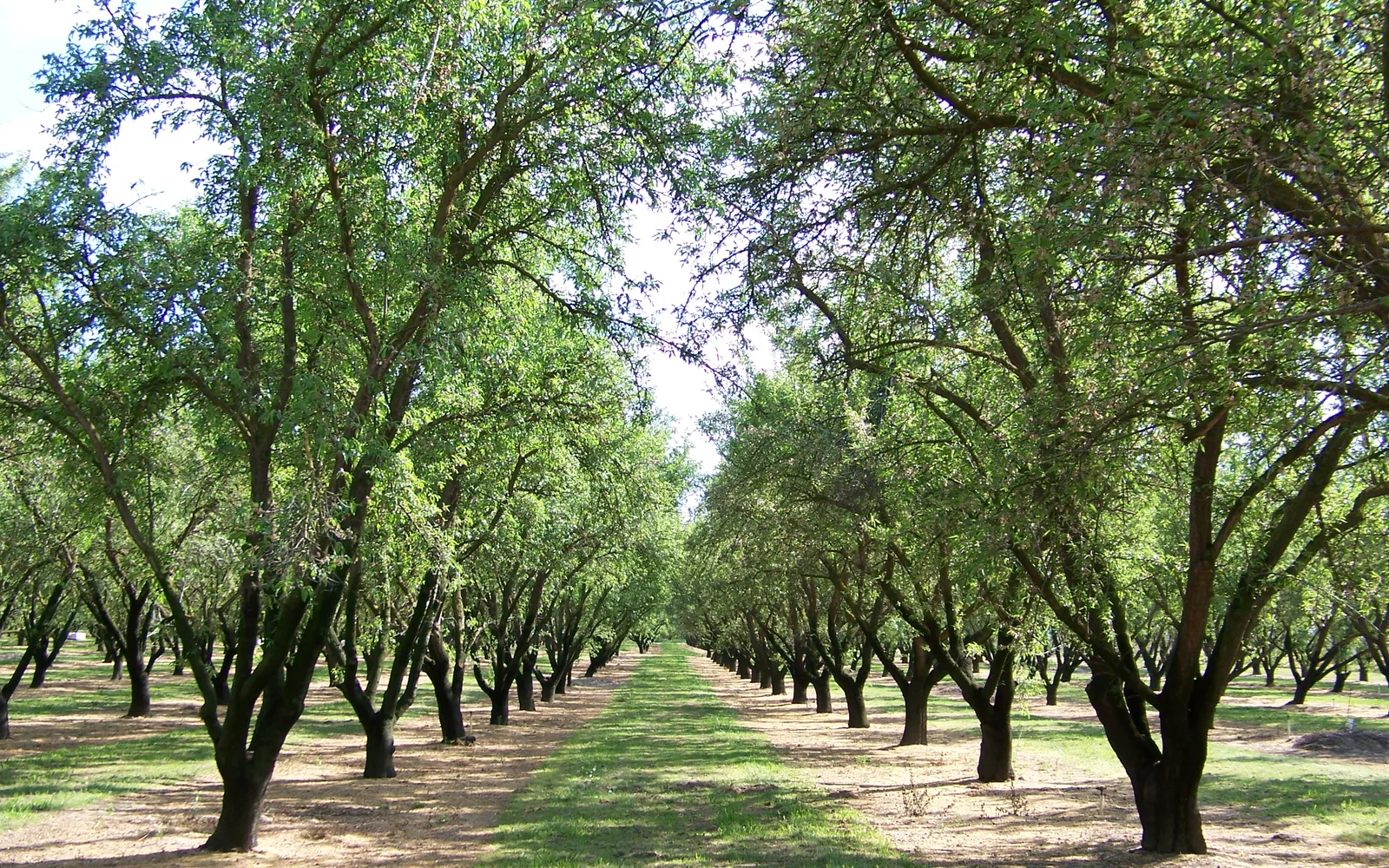
Vista's agricultural heritage is rooted in water. In 1923, the Vista Irrigation District completed a water system drawing from Lake Henshaw, a reservoir in the foothills northeast of the city. That infrastructure transformed the region's capacity to grow crops, and by the late 1940s Vista became known as the avocado capital of the United States. The avocado industry drew workers, established packing facilities, and shaped the city's economy for generations.
The region's mild Mediterranean climate—inland enough to avoid coastal fog, with warm growing seasons and access to abundant water—made it ideal for tree crops. Avocados, along with citrus and other specialty crops, thrived. The agricultural sector brought employment and steady income to families across the area, establishing a working landscape that persists today alongside the city's residential expansion.
Agriculture teaches planning: the farmer knows yields depend on decisions made seasons in advance, and that protecting the investment requires protecting the people who carry it forward. Families in Vista understand that principle in their own lives. Life insurance planning starts with the same question the grower asks: what if I am not here? What does my family need to weather the years ahead?